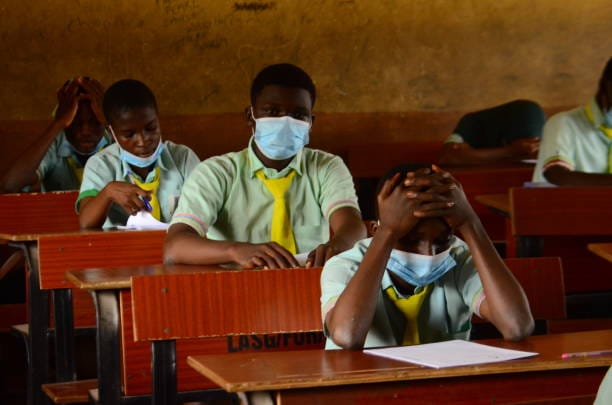
According to recent statistics, the Nigerian Ministry of Education losses about $1 million to examination malpractices every year. For this reason, examination Malpractices is escalating amongst the educational sector of the country and thereby over 50% of Nigerian students are a victim of this.
They failed a subject or exam due to examination malpractice. Or that a teacher or lecturer is involved in more than 70% of these cases, as well as the Principal on occasion. These are only a few of the unfortunate facts about examination malpractices in Nigeria.
Examination malpractice is a controversy that has engulfed the Nigerian education system. In this essay, we shall investigate the primary causes, consequences, and solutions to examination malpractices in Nigeria’s educational sector.
Examination malpractices have a negative impact on students’ grades and academic achievement. Low academic performance has an impact on both pupils’ inherent ability, future development, and professional chances. Exam misconduct can have a negative impact on students’ motivation and morale.
TRENDING ARTICLES
How to Self Study the Guru Way: 14 Tips of Perfection
All about Public Administration course in Nigeria
Complete Guide to International Relations Course for Students
What is Examination Malpractice?
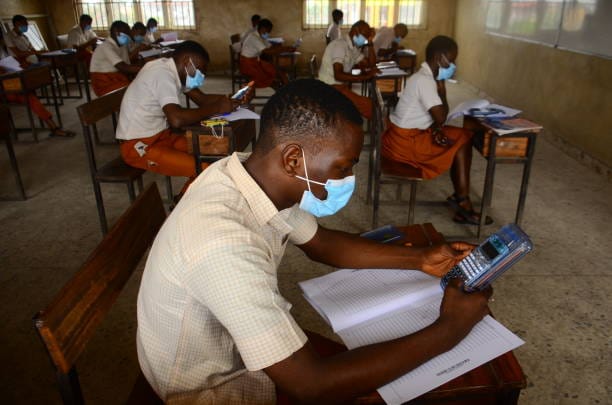
To comprehend the meaning of examination Malpractices, each word must be read sequentially. First, an “examination” is a formal assessment of a person’s knowledge or proficiency in a certain subject or ability.
In Nigeria, the test is typically administered before a student is allowed to graduate to a higher level of study. According to the Oxford Learned Dictionary, malpractice is defined as incorrect, illegal, or negligent professional activity. In law, malpractice has a different meaning (albeit not entirely).
It refers to professional negligence or a lack of competence in any sector. According to the definitions provided above, examination malpractice is simply improper or illegal behaviour by a candidate for an examination to pass an examination.
When pupils engage in examination malpractice, parents are typically held accountable because they are responsible for their children’s moral lives.
Many researchers have also argued that parents play a critical part in ensuring a significant reduction in the occurrence of examination misconduct in Nigeria. In other words, parents can help to increase or decrease the rate of examination misconduct in Nigeria.
This assertion will be clarified later in the article. Meanwhile, let’s take a quick look at the many sorts of examination misconduct in Nigeria.
Causes of Examination Malpractice
1. Fear of Failure
Nobody wants to fail and that is the reason why many student engages in examination malpractices. They don’t want to spend quality time reading and studying their books but scared of failing their exams.
When they should be spending quality time reviewing their notes, they are worried about the exam. The fear of failing is one of the leading drivers of criminal behaviour in exams today.
2. Laziness among students
It is completely true that many students are lazy to study their books and prepare for exams. Many don’t care about their academic success so in this case they become lazy to do their homework, complete heir duties assigned to them by their teachers or even take notes in class.
3. Poor parental upbringing
You would agree with me that bad parental upbringing is one of the leading reasons for examination misconduct in Nigeria today. Many parents may not have enough time to properly instruct their children due to employment and other responsibilities.
And the parents who had the time to instruct their children did so in the incorrect way. Some pupils have engaged in examination malpractices due to a lack of sufficient home teaching, believing that there is nothing wrong with it.
4. High level of poverty.
Indeed, poverty causes some pupils to engage in exam cheating because education and schooling require parents to spend money on their children.
Some parents could not afford to purchase textbooks, novels, and other educational resources for their children. This leads to pupils cheating on exams.
5. Bad Government Practices
A corrupt government produces corrupt officials. This will lead to students committing examination malpractices. Why? Teachers, lecturers, and education officials are also implicated in these illicit actions.
6. The Teacher’s Attitude toward Work
Here’s another cause of examination misconduct that few people discuss. The low work ethic of teachers contributes to Nigeria’s high rate of examination misconduct. Some teachers or lecturers are too lazy to teach pupils in class as they should.
Types of Examination Malpractice

1. Impersonation
This is one of the most common forms of examination misconduct in Nigeria. Impersonation is merely the act of claiming to be someone else to help them write an exam.
This type of examination misconduct is fairly common in Nigeria. In fact, in today’s Nigerian institutions, students who fail their courses rarely rewrite them themselves. They would rather hire someone to imitate them and write the course for them.
The prevalence of this type of examination misconduct in Nigeria is due to the country’s lack of technological advances required to prevent impersonation.. For example, in Nigeria, there is typically no scrutiny of pupils before the start of the WAEC examination.
As a result, many people participate in examination malpractice such as impersonation to pass the exam. Over the last two years, around 2000 applicants have been punished for impersonation at the WAEC exam.
This is to inform you of the gravity of this type of examination malpractice. It is the most common form of examination misconduct in Nigeria today.
2. Extraneous material smuggling
Another type of examination malpractice in Nigeria that practically every poor student engages in is carrying extraneous materials into the examination hall. Nowadays, pupils who cannot pay the money required for impersonation generally come into the examination hall with additional materials to aid themselves in the examination.
3. Copying During Examination
This is a general type of examination misconduct. It occurs in the primary, secondary, and higher education levels in Nigeria. Students in Nigeria who prepare well for their exams often end up relying on their classmates or friends to pass.
In Nigeria, the act of copying during an exam is known to be done by smart students because only a smart student can copy from their colleagues without being noticed by their teacher or professor.
4. Collusion
The last type of examination misconduct in Nigeria is collusion. This type of examination is always utilised for written exams such as WAEC and NECO. In this situation, pupils share material provided by their lecturers (on paper) to pass external examinations.
The answers offered by the students are usually the answers to the specific questions in the examination about which they are speaking. This type of examination misconduct is often ineffective since students prefer to share the same answer.
As a result, the examination body will have a much easier time determining whether or not examination malpractice occurred in the examination center. It is important to note that practically all examination bodies in Nigeria are already aware of the many types of examination misconduct in the country.
To be honest, WAEC, NECO, JAMB, and even POST UTME exams are becoming increasingly demanding. In truth, it is extremely difficult, if not impossible, to commit examination malpractice using any of the foregoing formats.
Thus, I implore any Nigerian student reading this post to abandon any preparations to engage in examination cheating in Nigeria, as those plans will undoubtedly fail.
Effects of Examination Malpractice malpractice
- It undermines academic integrity in educational institutions.
- Devalues certifications and academic credentials.
- Discourages students from maintaining serious study habits.
- Causes poor knowledge retention and application.
- Contributes to high unemployment through a lack of skills.
- Promotes corruption in society.
- Reduces trust in the educational system.
- Lowers students’ self-esteem and confidence.
- Results in financial loss from exam retakes or legal penalties.
Solutions to Examination Malpractice
The following are some proposed remedies to the problem of examination misconduct in Nigeria:
1. Good parental upbringing
As I discussed before in this paper, parental upbringing has a significant impact on test malpractice in Nigeria. The manner in which a child is trained might enhance or decrease the prevalence of examination misconduct in Nigeria. The reason for this is that most people behave as they do in public because that is how they were trained.
On that basis, if parents can instill in their children the importance of avoiding examination malpractice at all costs, the rate of examination malpractice in Nigeria will dramatically decrease over time.
Without a doubt, effective parental upbringing can significantly reduce the rate of examination misconduct in Nigeria.
2. Punishment for Students
Another practical and efficient answer to examination malpractices in Nigeria is to punish pupils who engage in any illicit activity during tests.
Other students will exercise caution if they know there will be serious consequences for any illegal or improper behaviour during exams. This will assist in gradually eliminating exam malpractices in schools today.
3. Increase in teacher salaries
If the government increases the income of school teachers by 30%, there will be fewer cases of examination malpractice in Nigeria. To back up this claim, many teachers believe that one of the first steps toward combating examination cheating in Nigeria is to raise teacher compensation. It will go a long way towards reducing examination misconduct in this country.
4. Good School Management
Good school administration comprises high-quality teaching, suitable equipment and facilities, a positive learning atmosphere, and adequate study materials, among other things. This will help pupils pay attention in class and take their studies more seriously.
5. School supplies
The reason for this is that at smaller schools, students are closely observed to verify that they understand what is taught in the classroom. However, no teacher/lecturer in an overcrowded school has the time or strength to do so. Providing study facilities would also help to promote learning at school.
6. Government should encourage education
If the government begins to support education, the number of test malpractice cases in the country will drop dramatically each year. Students in the United States of America who are unable to pay for their education in full can now receive loans from the US government.
This demonstrates more than just the value of their education. It also motivates students in the United States to continue studying. Increasing the salaries of all professions is also a good idea because when students are confident in what they may earn after graduation, they are less likely to hunt for ways to make money or defraud others online.
Conclusion
Causes of Examination Malpractice is extremely prevalent in Nigeria. This behaviour undermines our national integrity and principles. The government, instructors, parents, and students all have a responsibility to play in preventing these criminal behaviours in schools during exams.

Adepoju Olamilekan is a blogger and student of economics at Adekunle Ajasin who has written for many educational blog across the country. His passion and love for blog and creating as found him always writing to provide solutions to all Nigeria Students